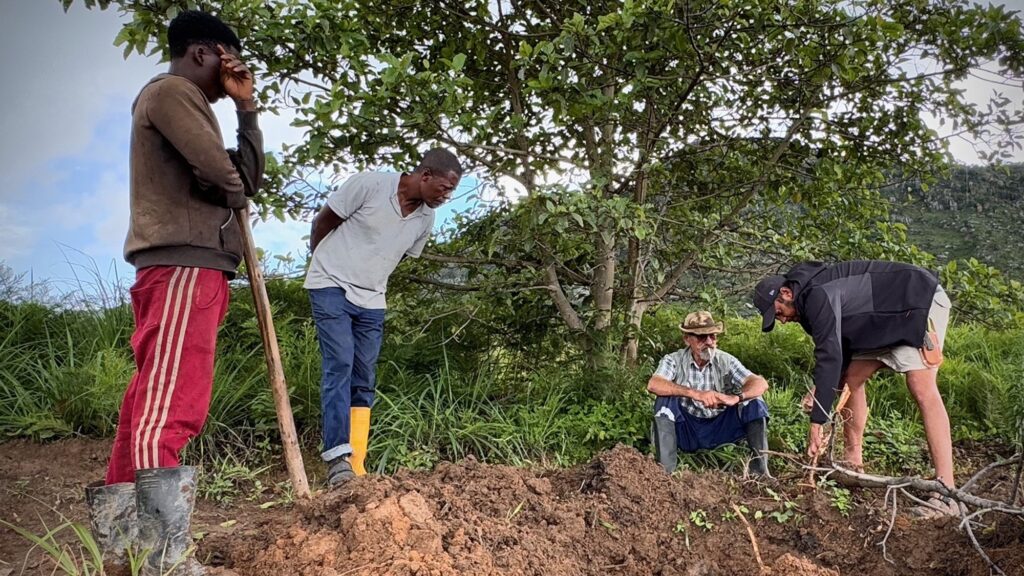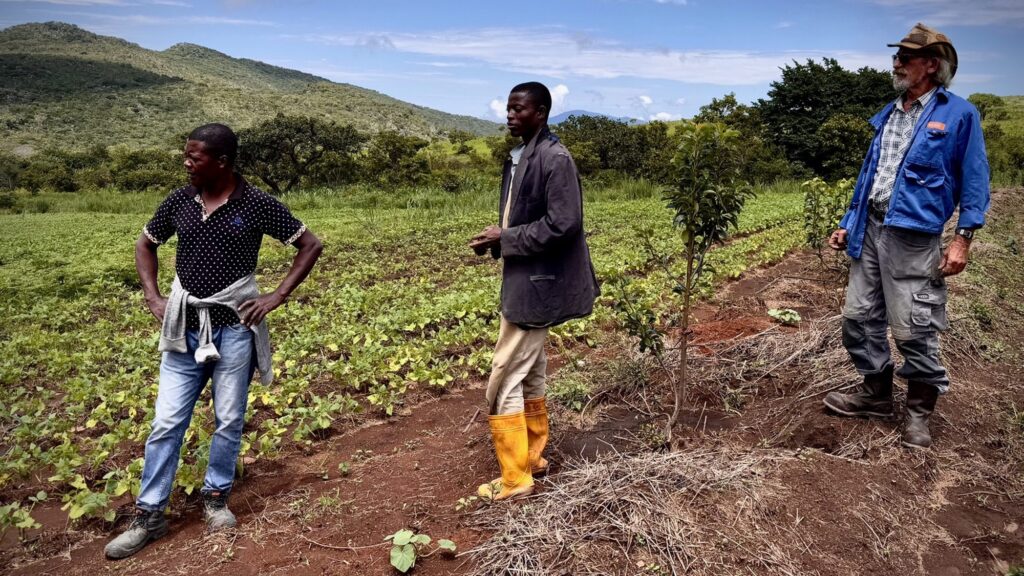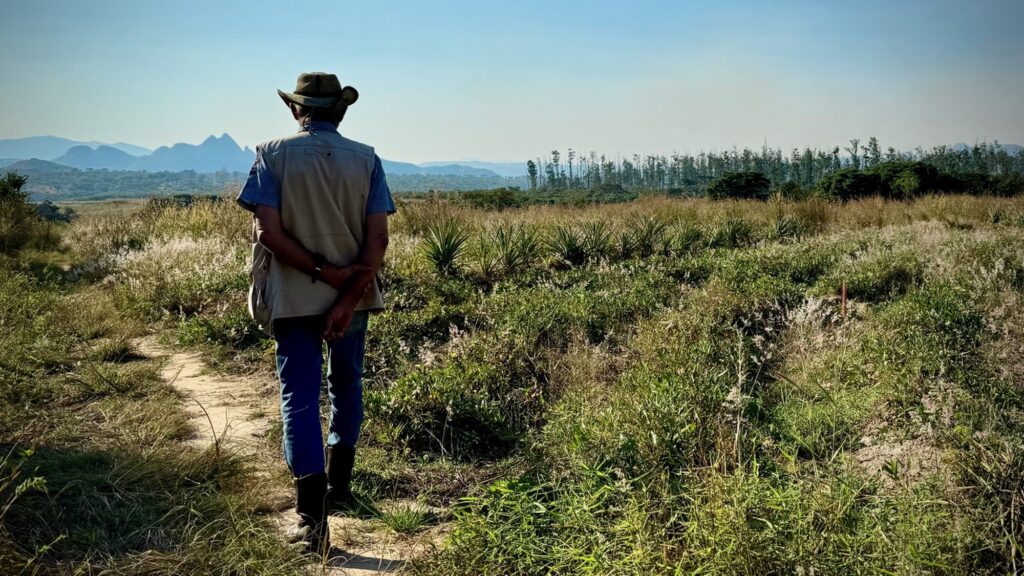
On the slopes of the Ebanga mountains, in Benguela Province, Fazenda Kavili benefits from soils that are well suited to the cultivation of Arabica Caturra coffee.
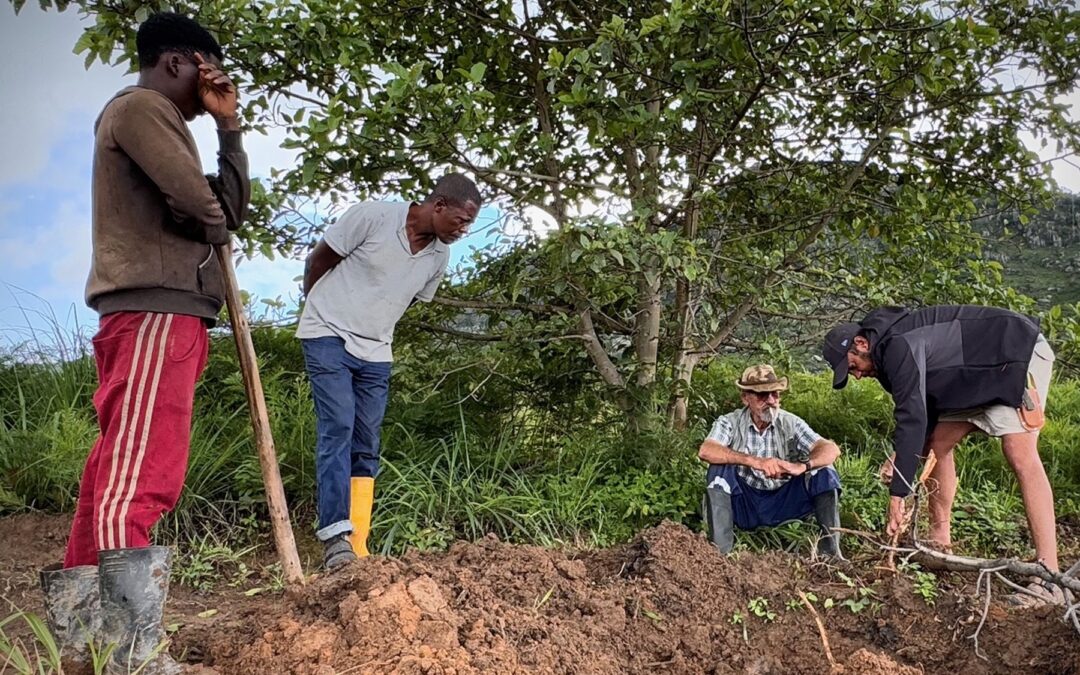
An initial field assessment carried out with an agronomist identified apparently deep tropical red soils with a loose, porous structure. Their porosity promotes water infiltration and air circulation within the soil while limiting the risk of waterlogging, to which coffee trees are particularly sensitive. Their depth also allows the root system to explore a substantial volume of soil in search of water and nutrients.
Coffee has a long-standing place in Angola’s agricultural history. Commercial cultivation developed from the 1830s onwards, during the Portuguese colonial period. In the early 1970s, the country produced approximately 230'000 tonnes of coffee per year from nearly 2'000 plantations. Angola was then the world’s fourth-largest coffee producer.
In Ebanga, this initial study provides a better understanding of the qualities of the terroir.
By Fazenda Kavili
Media © Michael Wolkof
Photos