
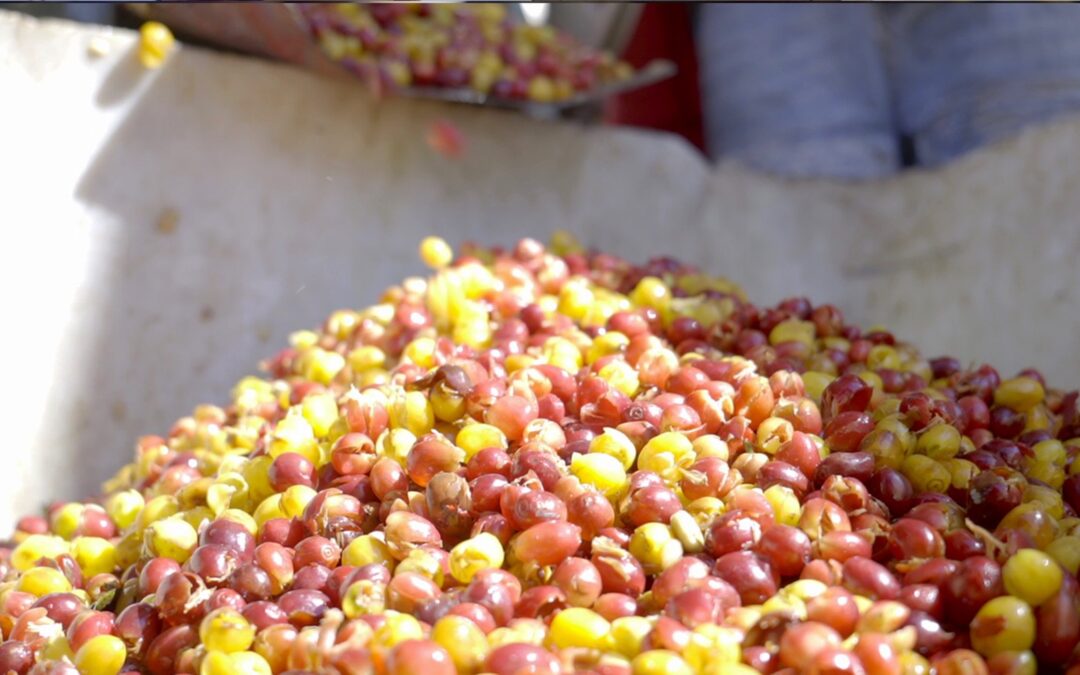
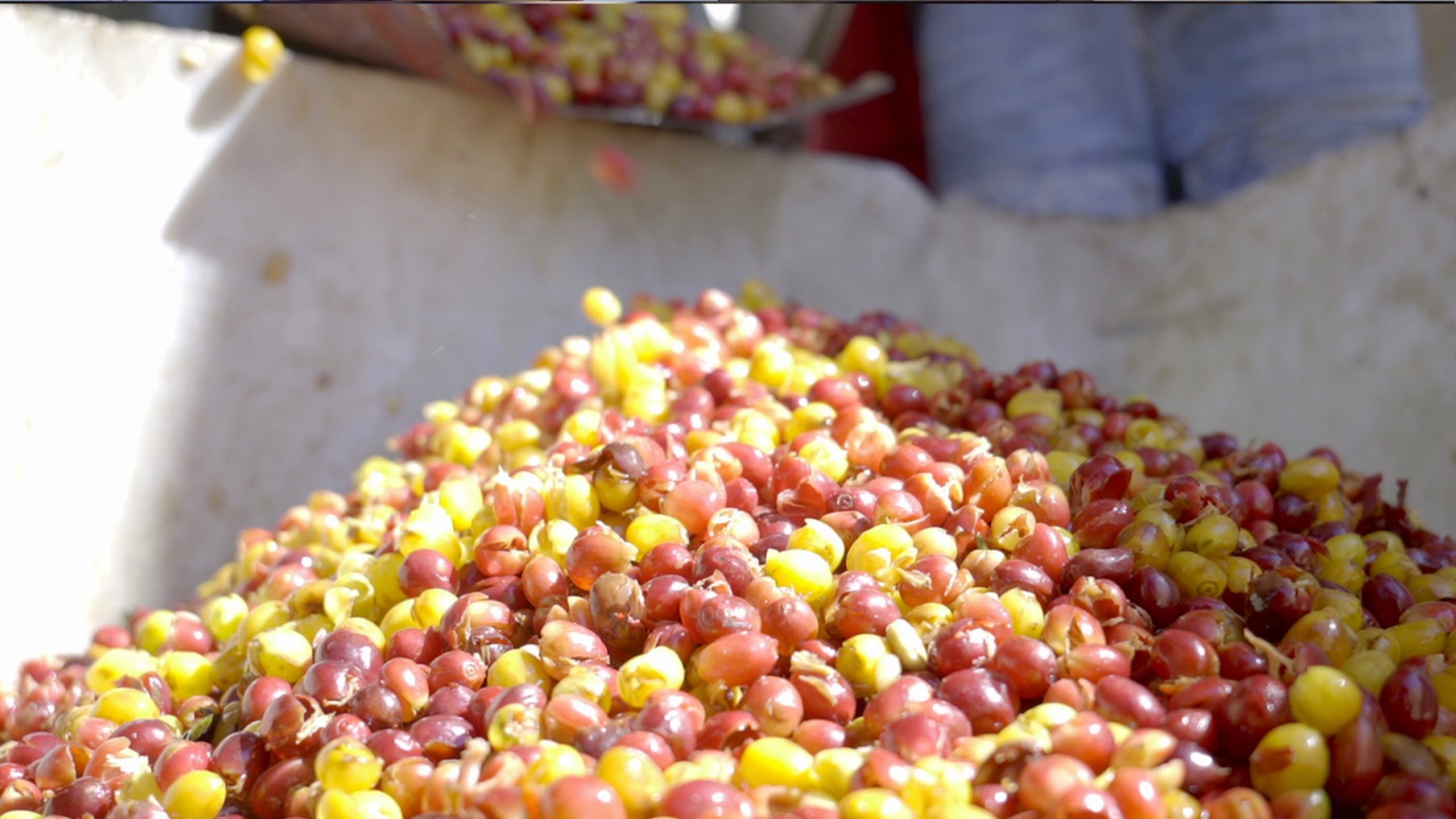
Once harvested, coffee cherries must be processed without delay. Inside each fruit, the seeds are still enclosed within several protective layers. Preserving them requires a succession of precise operations, the first of which is pulping.
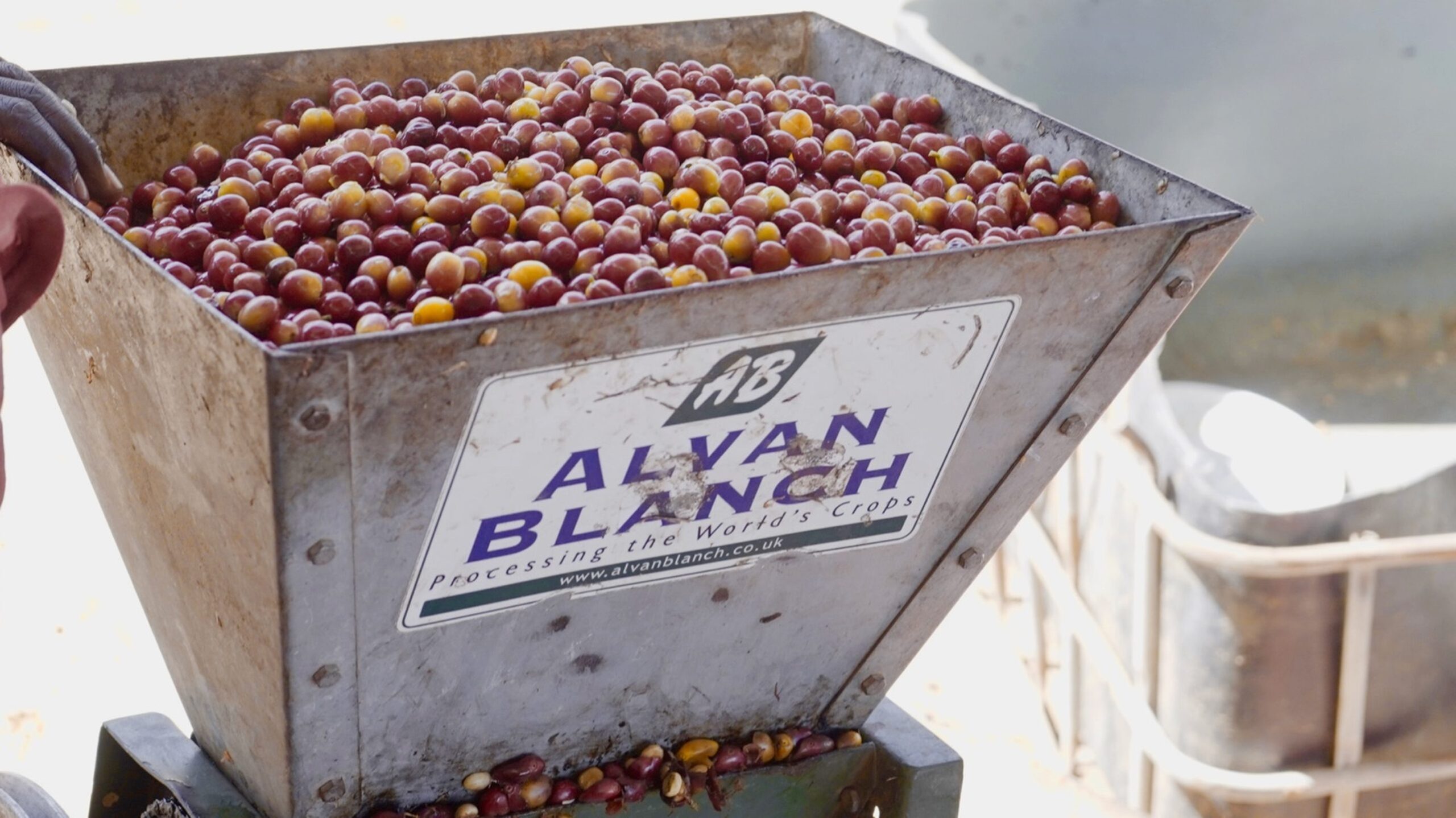
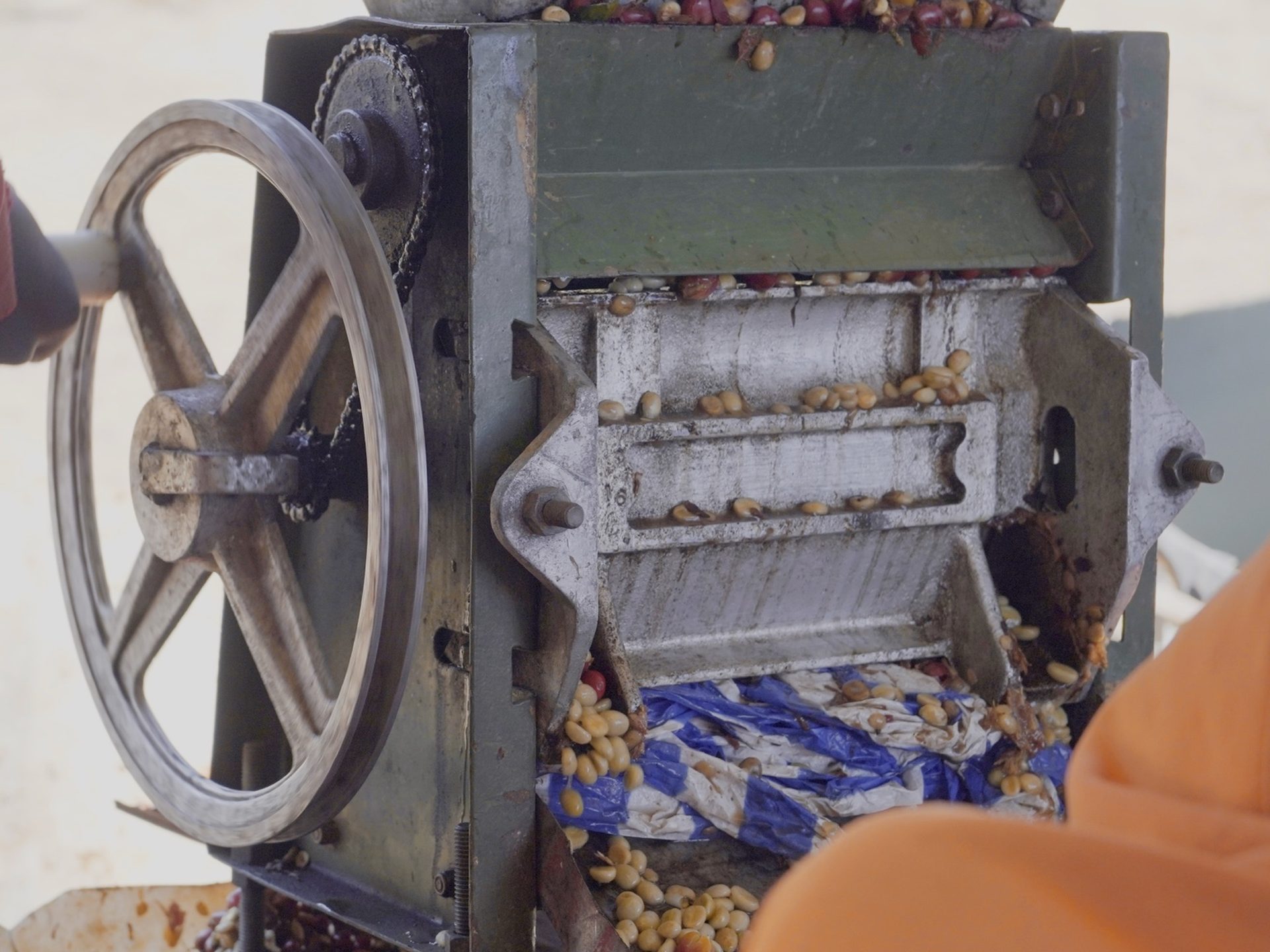
The role of the pulper is to mechanically separate the skin and most of the flesh from the seeds without damaging them. The seeds remain enclosed within a thin but resilient protective layer known as parchment. Between the flesh and this natural casing lies a soft, sticky substance called mucilage.
The operation may appear simple. It is not.
Everything depends on the careful adjustment of the machine. The pressure must be sufficient to release the seeds, yet gentle enough to avoid crushing them or weakening the parchment. If the setting is too tight, the coffee may be damaged. If it is too loose, partially pulped cherries pass through the machine. In both cases, any irregularity introduced at this stage will affect the subsequent steps.
After pulping, the coffee is not yet ready to dry. The mucilage remains attached to the parchment. Depending on the method selected, it is then gradually removed either through controlled fermentation followed by washing, or mechanically through friction with a carefully managed use of water.
This stage requires close attention. Fermentation is not simply a matter of allowing time to pass. Its duration must be carefully monitored: if it is too short, residues remain; if it is excessive or poorly controlled, it can alter the quality of the coffee.
Pulping marks a decisive transition. The cherry is no longer merely a harvested fruit. It enters a transformation process in which every detail matters.
At Fazenda Kavili, producing quality coffee also means respecting the living material, working with precision and preserving, from the very first hours, everything the bean may later reveal.
By Fazenda Kavili
Media © Dimarjan
Photos
#FazendaKavili #Angola #Ebanga #Agriculture #Agroforestry #RegenerativeAgriculture #Coffee #Arabica #Caturra #CoffeeCherries #CoffeePulping #CoffeeProcessing #WetProcessing #ParchmentCoffee #PostHarvest #SpecialtyCoffee #SustainableAgriculture #FromFarmToCup