
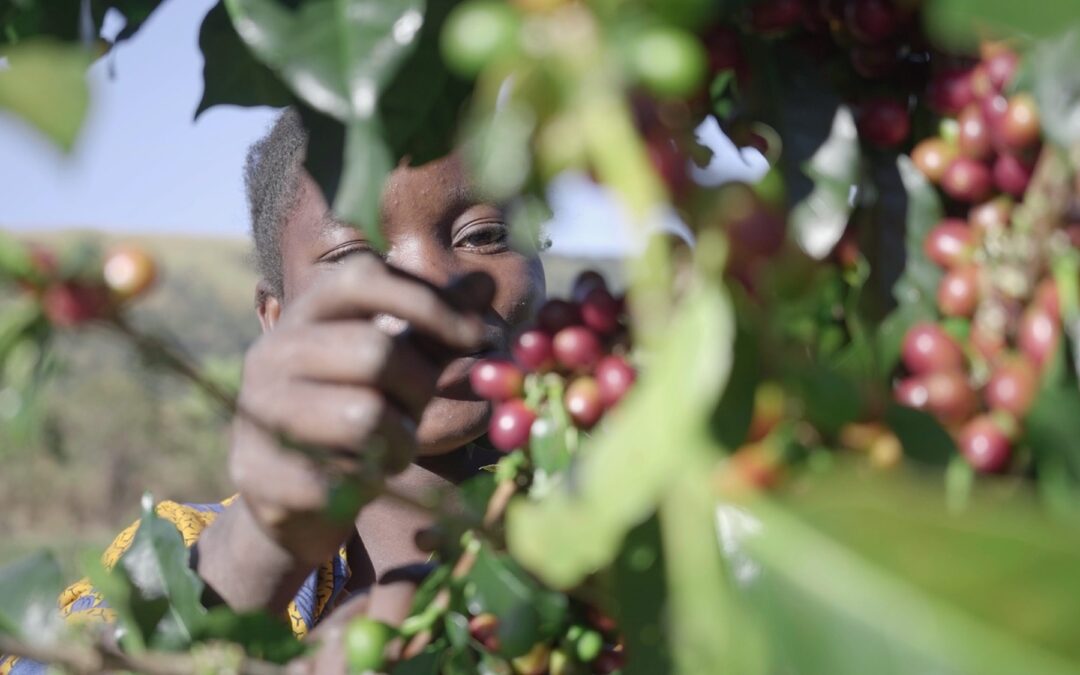
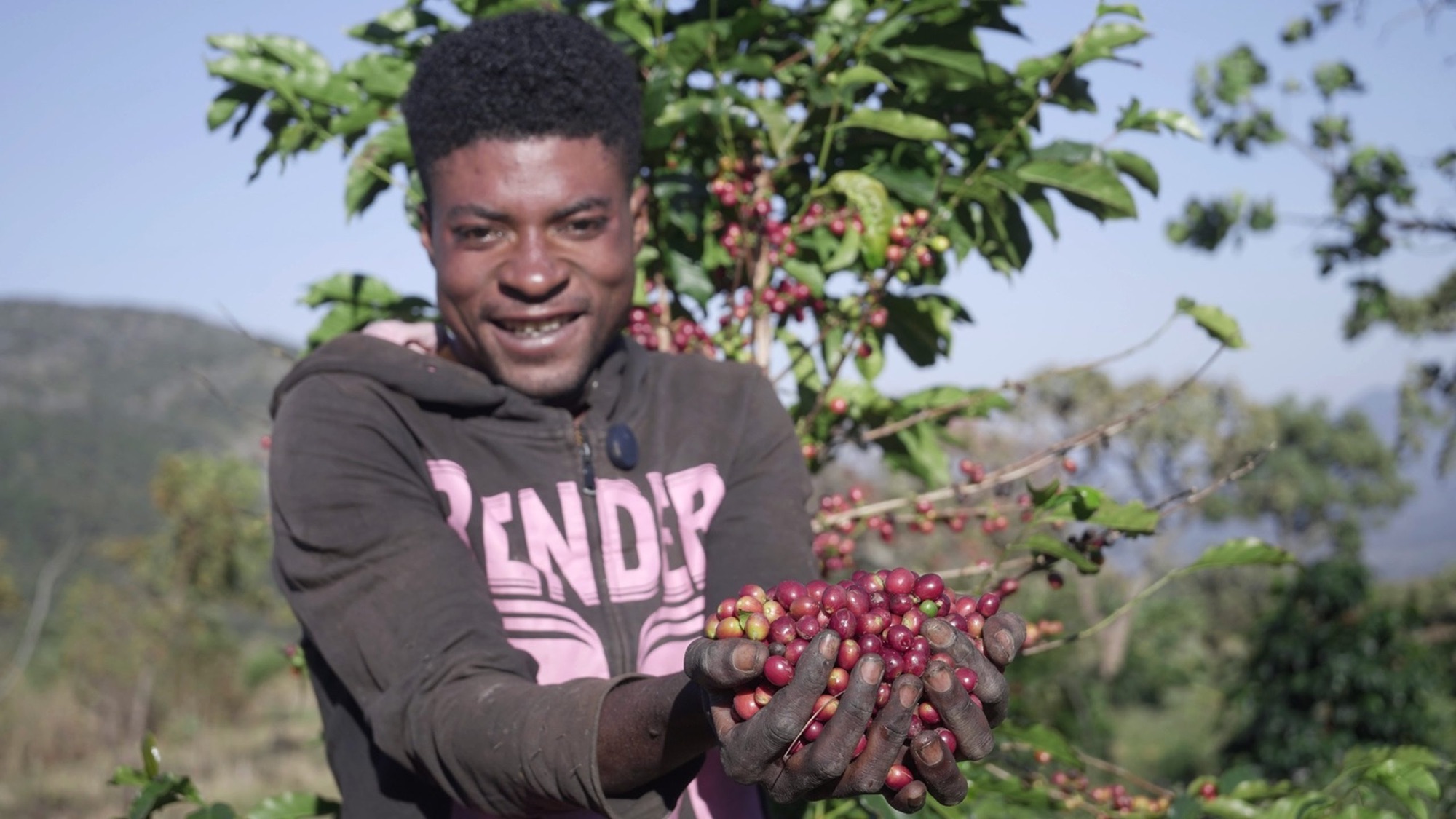
At Fazenda Kavili, in the mountains of Ebanga, Angola, the harvest of Arabica Caturra coffee is guided by a simple yet demanding principle: only cherries that have reached full ripeness should be picked.
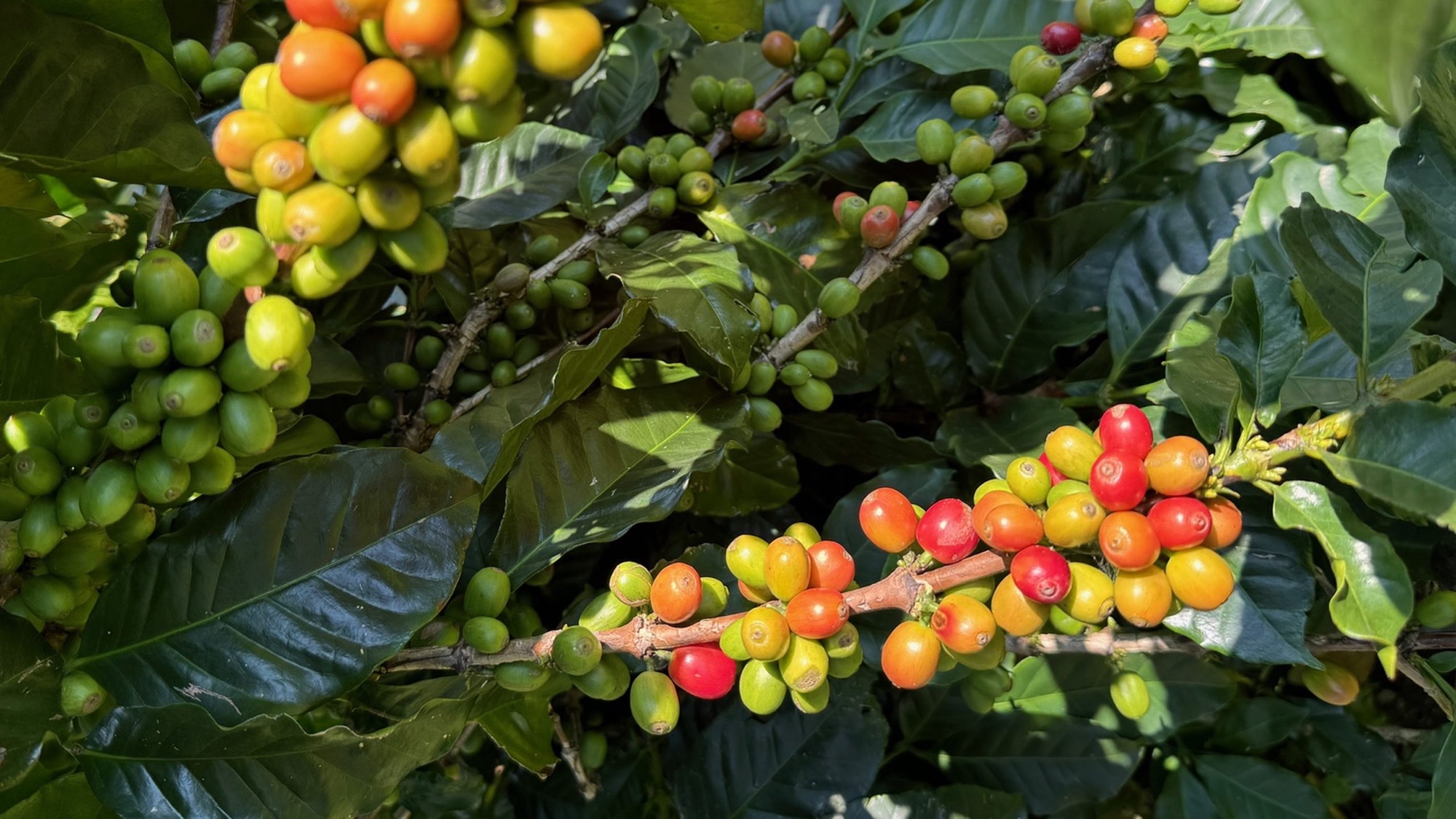
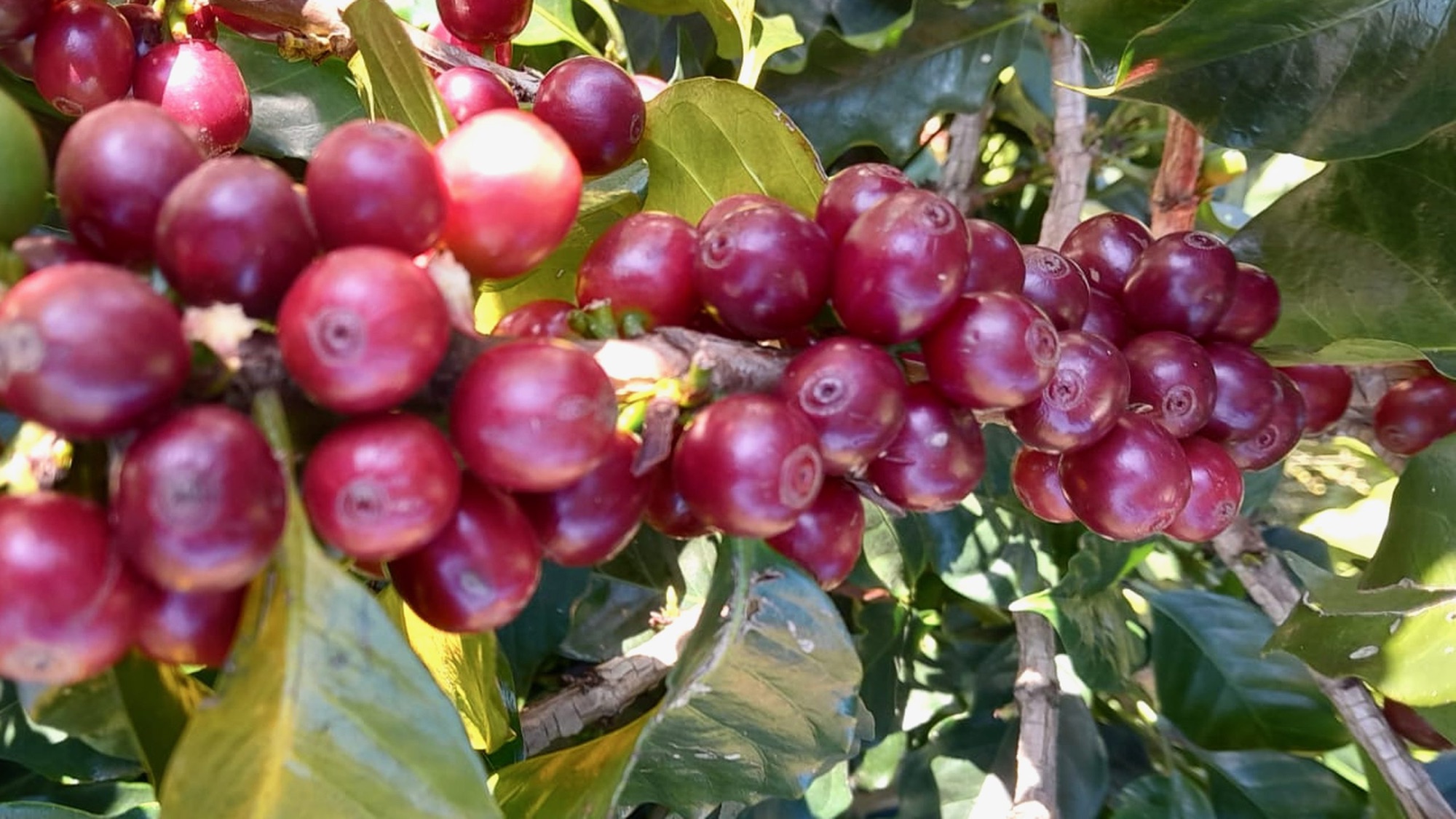
Even on the same branch, the fruit does not ripen at the same pace. Some cherries are already red, glossy and firm to the touch. They are ready to be harvested. Others remain green or are only beginning to turn orange. These must be left on the coffee tree and picked later, during a subsequent pass.
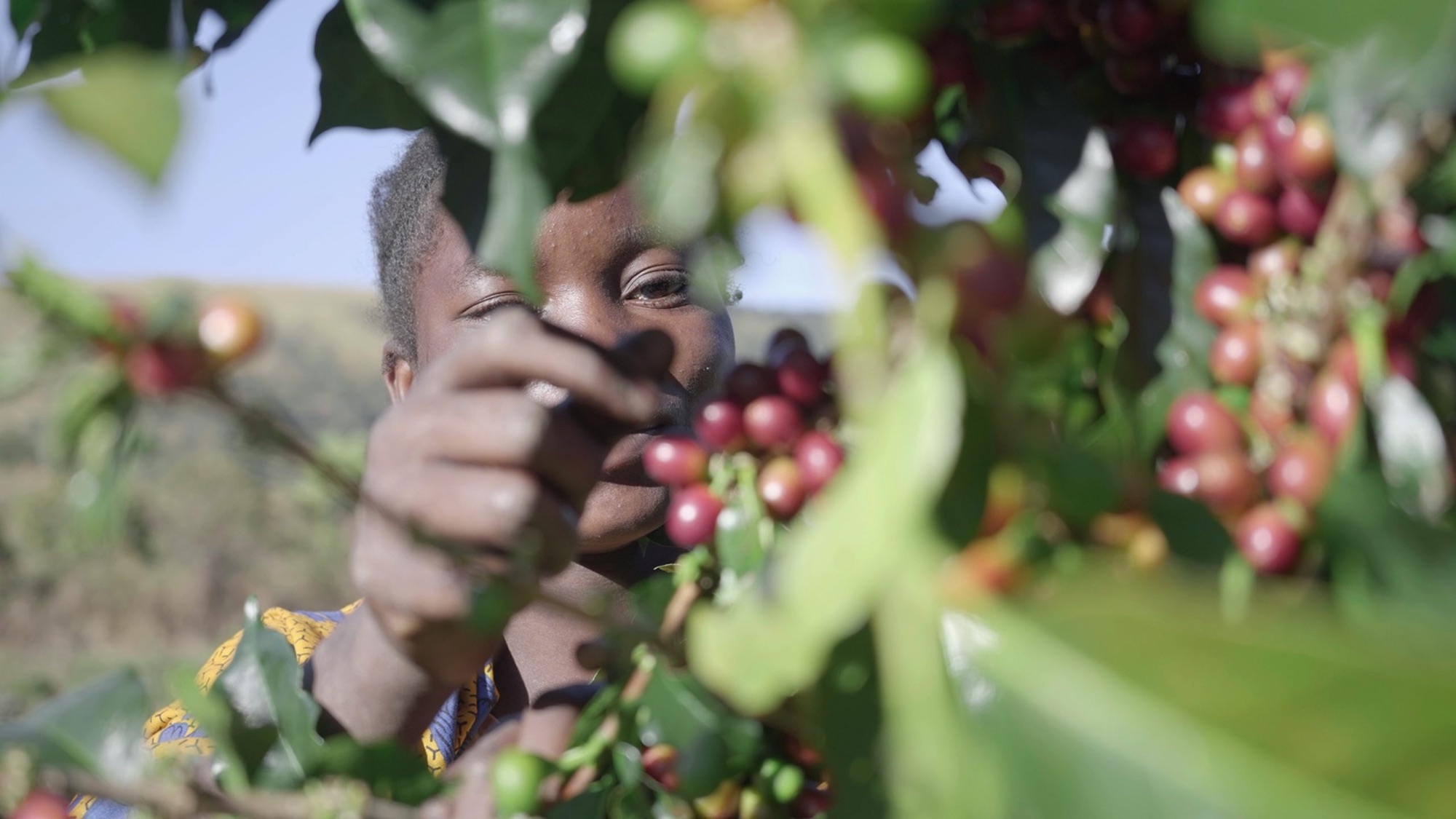
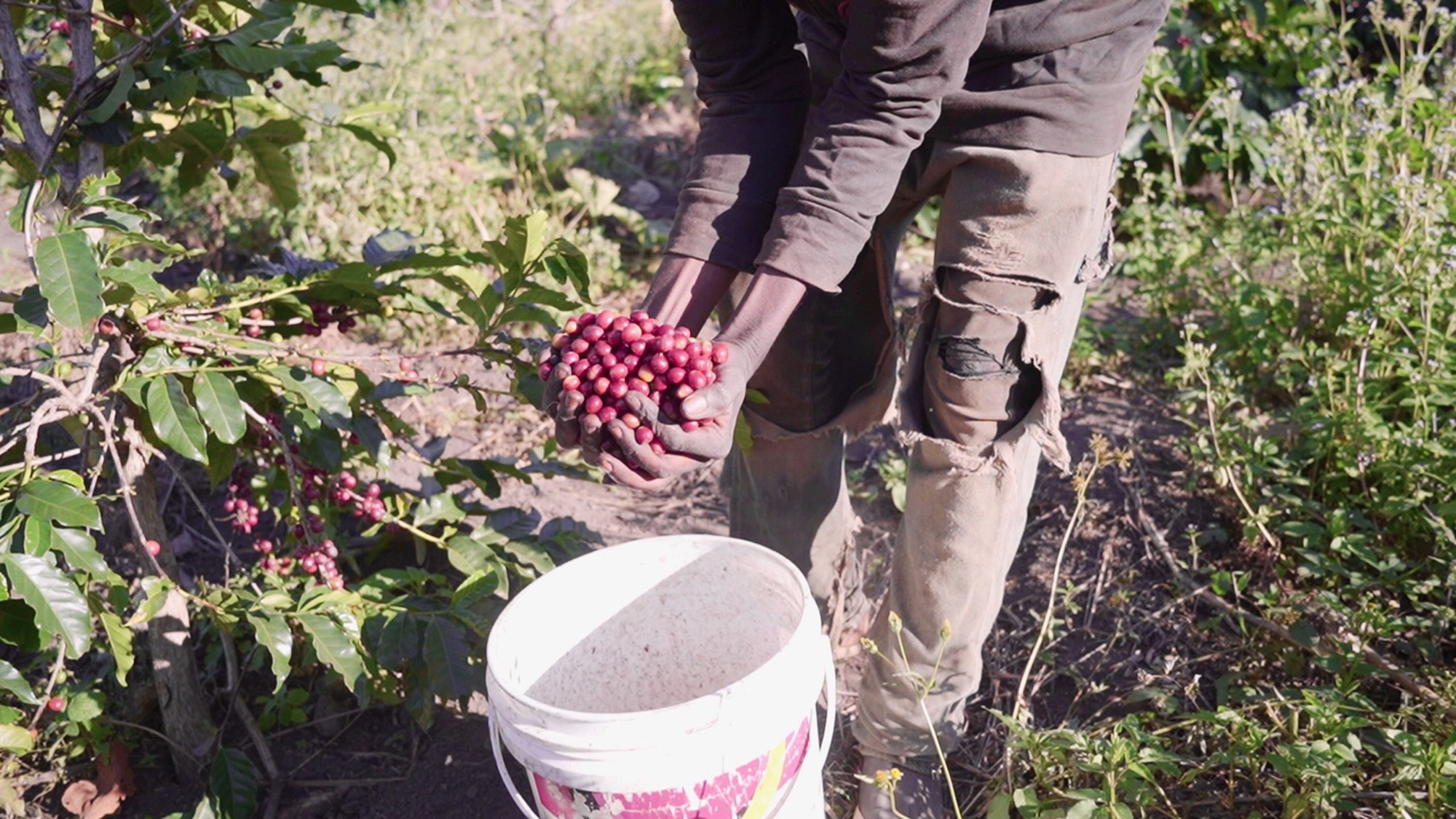
This selective hand-picking process requires time, care and a genuine understanding of the plant. The aim is not to strip all the fruit from the branches at once, but to return regularly to the coffee trees and select each cherry individually.
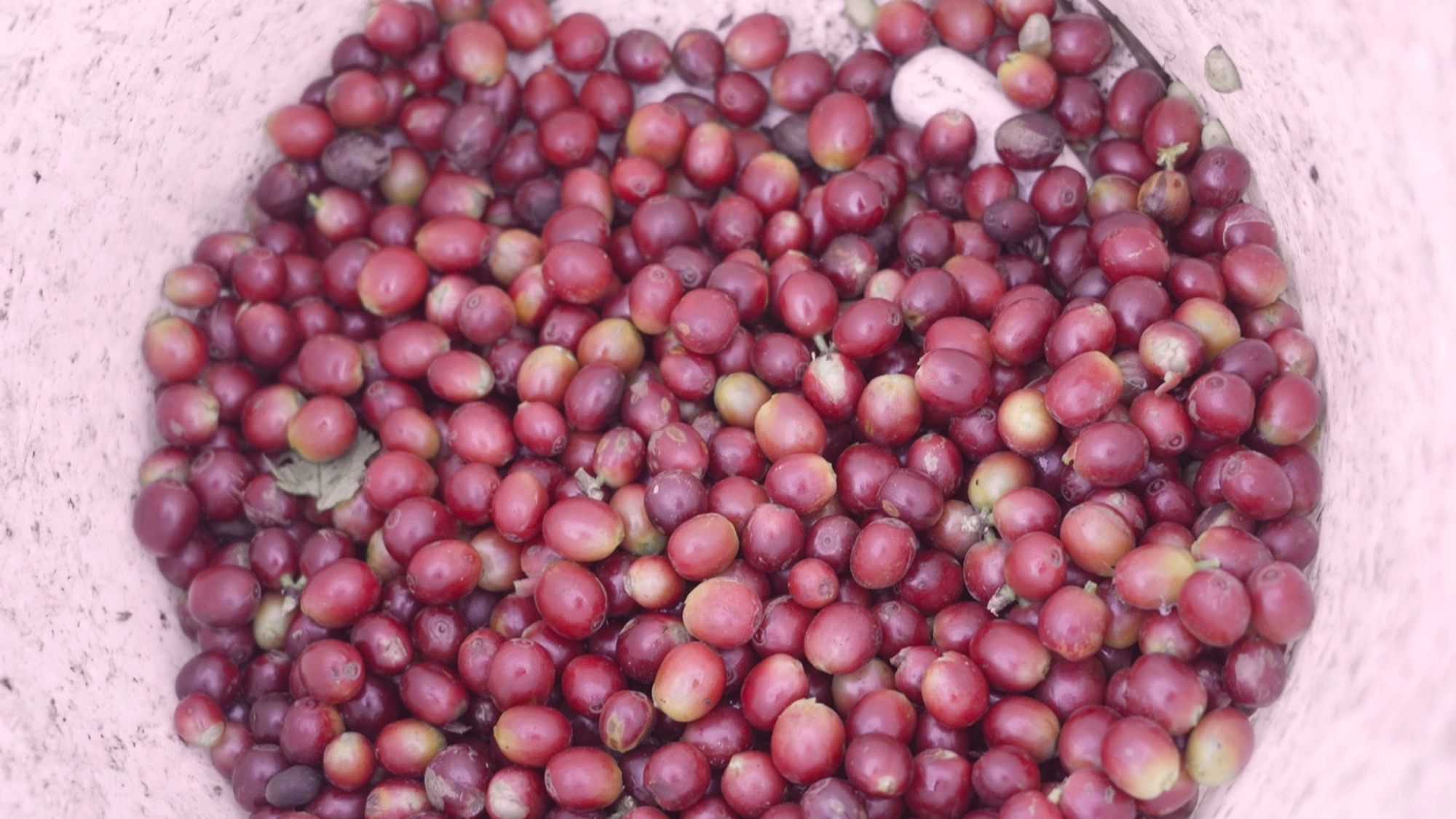
The distinction is crucial. A green cherry has not completed its ripening process. If picked too early and mixed with the rest of the harvest, it can increase bitterness and compromise the balance of the coffee. Conversely, an overripe cherry that has become very dark, purple or almost black may introduce undesirable flavours.
In Ebanga, harvesting takes place mainly during the dry season, generally between May and August, after several months of fruit maturation. Several successive passes are required to respect the natural rhythm of the coffee trees.
The essential rules are clear: pick only ripe cherries, leave the others to continue ripening, remove damaged or overripe fruit, use clean containers and sort the harvest promptly.
The quality of a coffee does not begin during roasting. It is already being shaped in the fields, at the precise moment when each cherry is picked.
By Fazenda Kavili
Media © Michael Wolkof
Media © Dimarjan
Photos
#FazendaKavili #Angola #Ebanga #Benguela #Agriculture #Agroforestry #RegenerativeAgriculture #SustainableAgriculture #Coffee #AngolanCoffee #Arabica #Caturra #CoffeeHarvest #CoffeePicking #HandPickedCoffee #CoffeeCherries #SpecialtyCoffee #FromFarmToCup